
The Multisystem2 Handheld Project
2nd Oct 2026
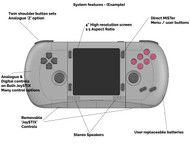
In May, Heber launched the Multisystem2 Handheld Project. Our aim for this is project is for it be an open innovation design and development effort to produce a fully MiSTerFPGA compatible handheld gaming system - with the involvement of the retro gaming community from initial prototype into production
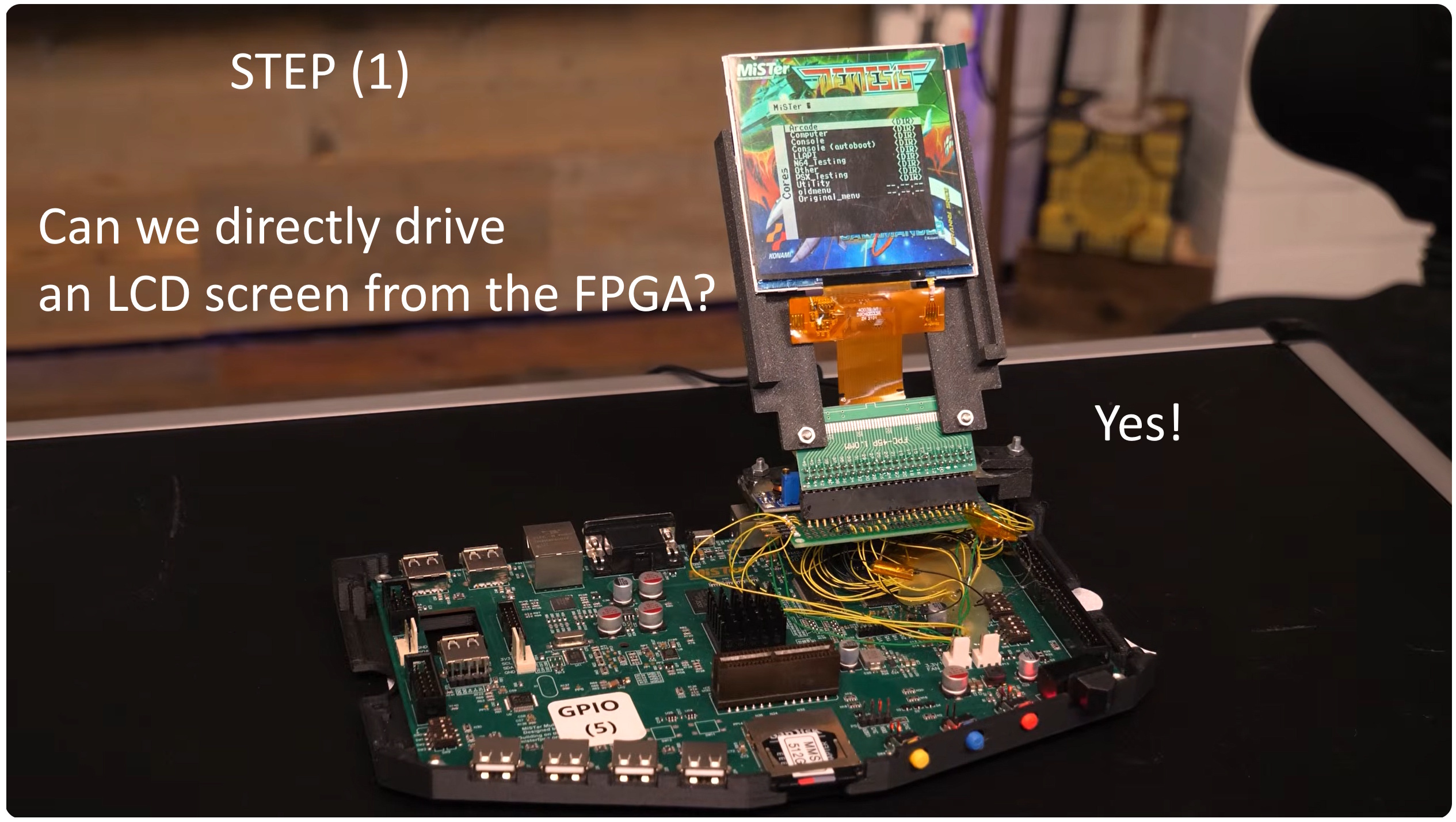
Our first step was to figure out a way to successfully drive an LCD screen directly from the MiSTer FPGA framework.
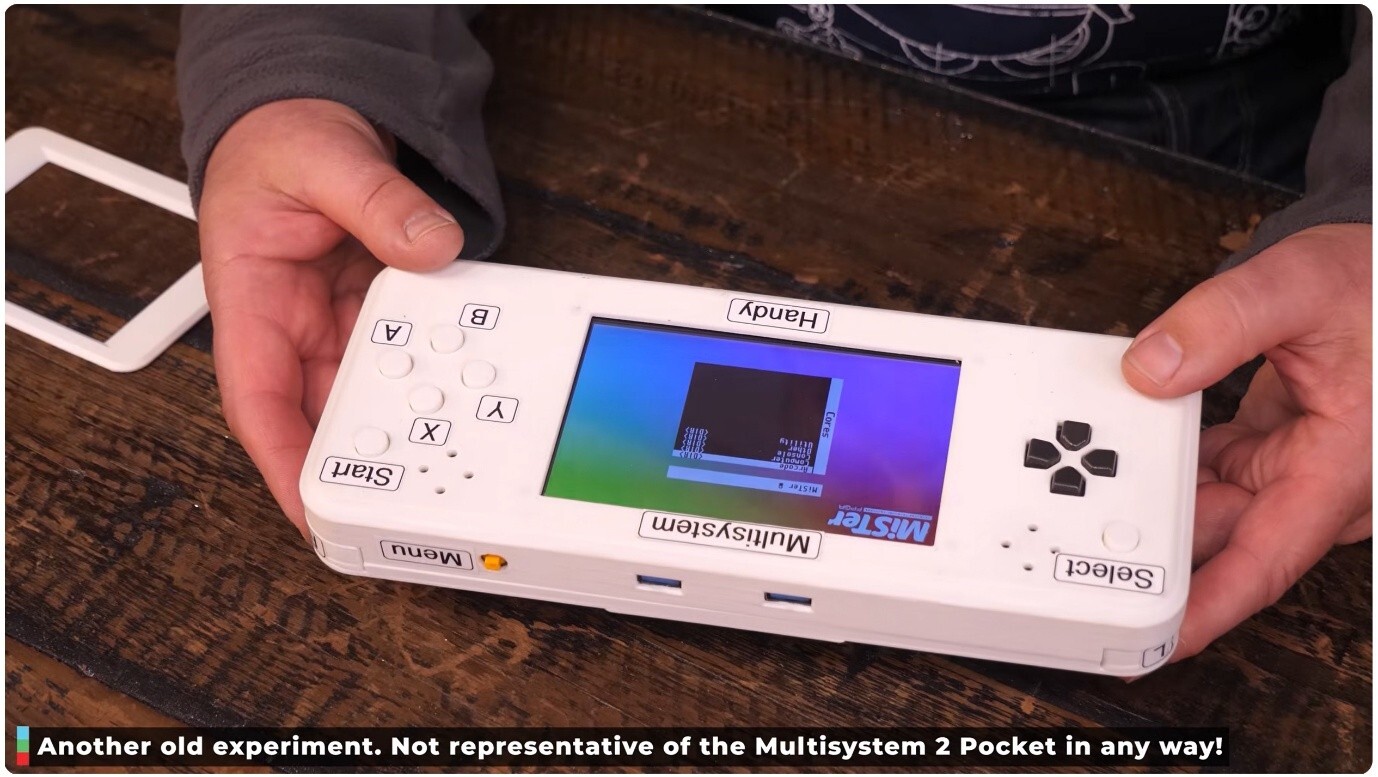
We then made a number of fun prototype handhelds based on off-the-shelf components, modules and screens.
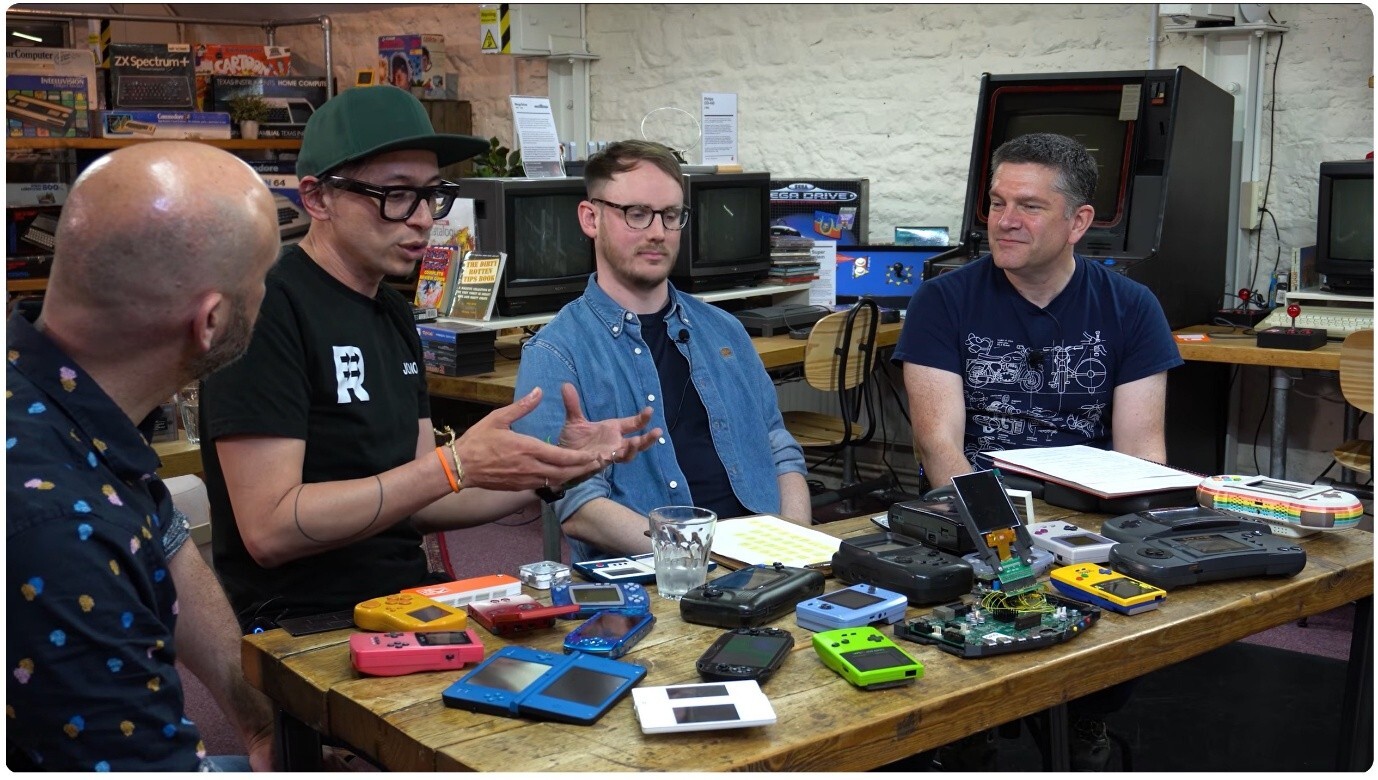
We always wanted to make something you could actually buy, and that met our high standards here at Heber. We decided to make the handheld console injection moulded so we enlisted the industrial design services of Relay Industries to help us with this.
Jono and Rich from Relay, also based in Stroud, helped us understand the challenges and benefits of designing electronics for the injection moulding process.
Working with Relay we started on some concept ideas and 'block models' to help inform design language and check for a comfortable design layout. We released all these ideas in a launch video with Neil from The Cave Museum.
We had some really great feedback on our first update, a lot of which was included in the next designs steps.
In our next video update, we introduced three concept designs:
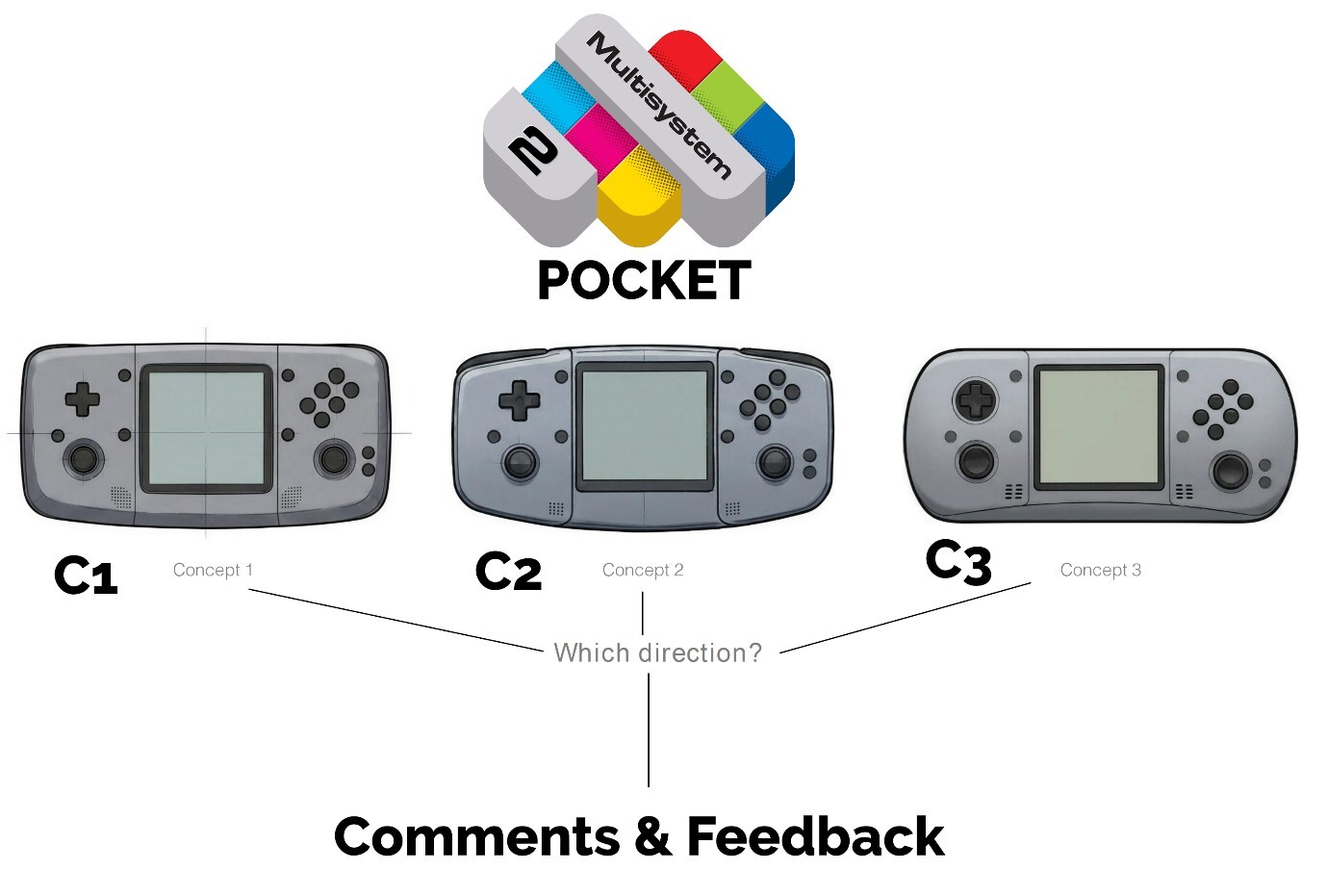
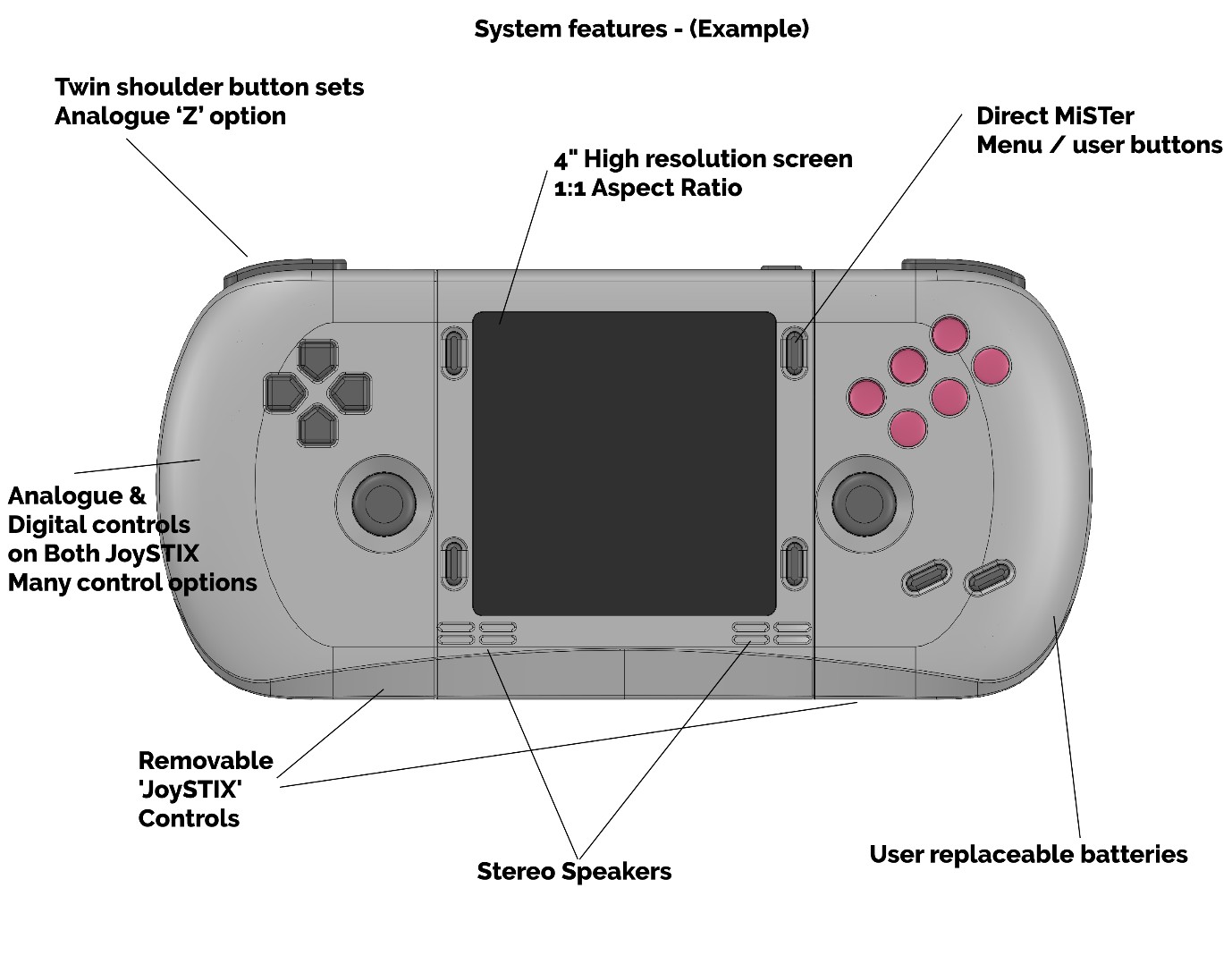
Once again, we got some great constructive and helpful feedback on the design and our plans for interchangeable control pads. Our aim is for the changeable control pads to be a really unique aspect, allowing people to play however they want to.
We then started to manufacture the first PCB samples here in the UK, which allowed Relay to finalise some of the design specifics which allow for the PCB to fit.
Or latest update shows a fully working prototype in a 3D printed case. This was a really exciting milestone to get to.
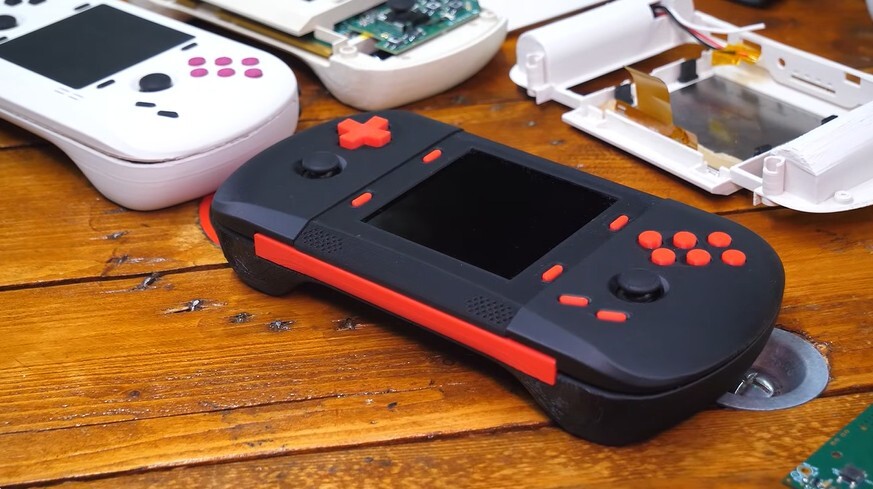
We also revealed the Multisystem2 Dock which can be used for charging, communication, connection to larger screens via HDMI. The dock also has network ports, audio and scart connectors and extra USB connectors, along with cartridge ports for our SNAC adapters.
We’re keen to keep up the pace with design and development, while continuing to engage with our potential customers. The whole team is really excited to be working on this open innovation project, and we’re enjoying working with Relay and the expertise of Jono and Rich. Rich from Relay posted a brilliant update here.
We can’t wait to have the final product in our hands!